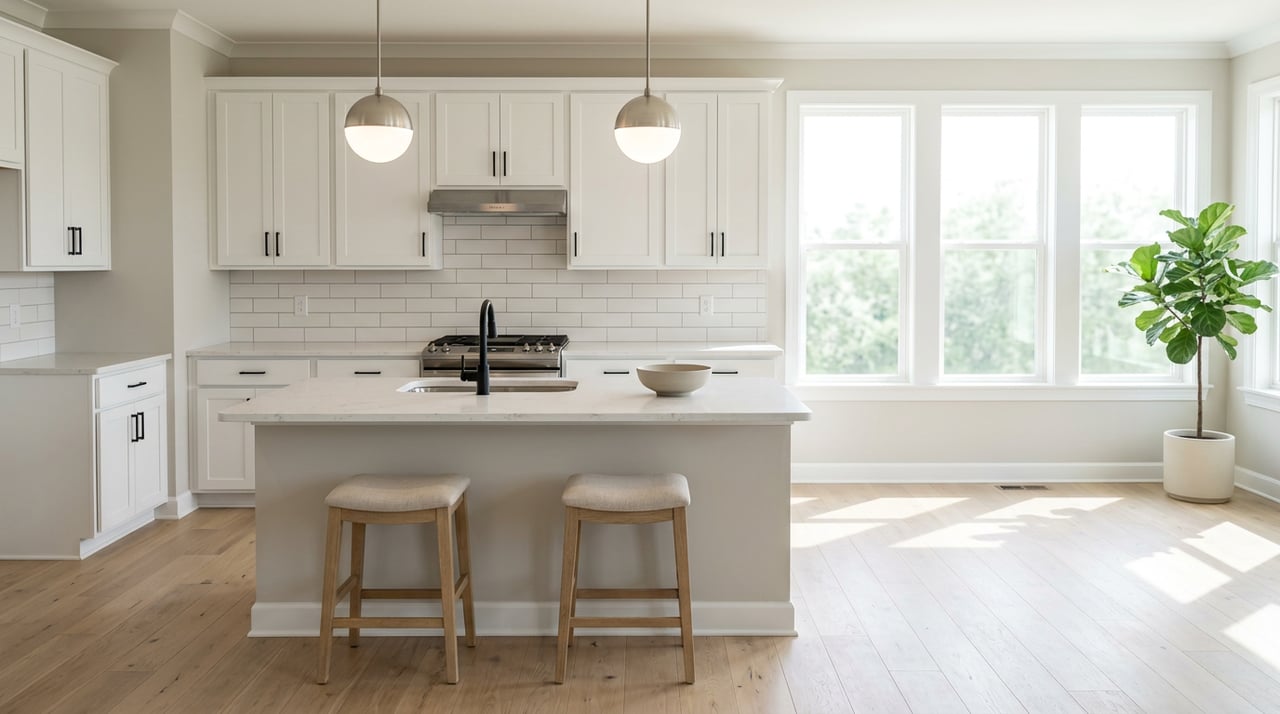
Stepwise Guide to New Construction Homes in Indian Land
Thinking about touring model homes in Indian Land but not sure where to start? New construction can be exciting, but the options, timelines, and fine print can feel overwhelming. You deserve a clear, step-by-step path so you can choose the right lot, lock in the right contract, and move in with confidence. This guide walks you through each stage specific to Indian Land, from site selection to warranties, with practical checklists you can use right away. Let’s dive in.
Indian Land sits just south of Charlotte’s Ballantyne area, putting you close to major job centers and everyday amenities. That access is a key driver for buyers who want suburban space with a manageable commute. Builders highlight the area’s planned retail and community amenities, which is fueling demand for master-planned neighborhoods and quick-move options. You can see how national builders frame the area on the KB Home Indian Land page.
If schools factor into your decision, Indian Land public schools are part of the Lancaster County School District. School attendance lines can change, so always verify the latest maps with the district before you pick a lot. Start with the district’s Indian Land High School resource page for general context.
The sales representative in a model home works for the builder. You benefit from bringing a buyer’s agent who represents you and can register with the builder before your first visit if required. A dedicated agent helps you compare communities, spot contract terms that matter, negotiate upgrades or credits, and track deadlines from design selections through punch-list follow-up.
Your lot sets the stage for how you live in the home. Ask for the recorded plat, the proposed site plan, any grading or drainage notes, and a list of easements. Walk the lot and look for slope, sunlight, and proximity to community amenities or future phases. Many communities list a “homesite premium” and have HOA fees. You can see how builders note premiums and inclusions on the KB Home community pages.
Smart questions to ask now:
Builders often take a small reservation deposit to hold a lot before presenting a full purchase agreement. After that, you’ll likely provide a larger contract deposit. Terms vary by builder, and some deposits become nonrefundable after a short window. Expect clear line items for base price, homesite premium, and design allowances. Builders commonly use allowances for finishes; overages are paid by you. Look for these details on the builder’s community pages, like KB Home’s inclusions and allowances notes.
Production builders often offer closing cost help, design credits, or rate buydowns when you use their preferred lender. These incentives can be valuable, but always compare the total loan cost against quotes from another lender. If you’re considering a ground-up build that needs a single close, explore FHA One-Time Close construction-to-permanent loans and ask lenders how draws and requalification work.
Tips to make a smart financing decision:
Design appointments move fast. Most builders require selections within a set number of days after contract. If you miss the window, the builder may choose standard finishes or charge for late changes. Clarify allowances before you choose, and ask how overages are paid and priced. Builders outline these policies on community or purchase documents, similar to notes you’ll find on KB Home’s community pages.
Focus on upgrades with broad appeal and durability, such as hard-surface flooring in high-traffic areas, covered patios, and quality countertops. These often help with long-term livability and resale.
Many production homes take about 6 to 9 months from the start of construction to completion, though weather, plan complexity, and supply chain issues can affect the schedule. For national context, see the build-time overview from NewHomeSource, and confirm your builder’s local timeline.
Lancaster County manages building permits and inspections in Indian Land and enforces state-adopted building codes. You can review the county’s program on the Lancaster County Building Services page. Builders typically secure permits for production homes.
Third-party inspections help you catch hidden issues early. Consider:
Learn why independent inspections matter from this overview by Patriot Inspect.
Your builder will schedule a final walk-through and create a punch list of items to correct. Stay organized. Document each item with photos and written confirmation of timelines. If anything will be completed after closing, make sure it is detailed in writing with clear dates and remedies.
Bring blue tape, your inspection report, and a calm, systematic approach. Test major systems, lights, windows, doors, and appliances. Keep copies of every punch-list update until everything is complete.
Many production builders offer tiered warranty coverage often described as “1-2-10” or similar. It commonly means 1 year for workmanship, 2 years for systems, and 10 years for major structural defects. Many builders use third-party coverage, such as the structural programs described by 2-10 Home Buyers Warranty. Put an 11-month inspection on your calendar to catch issues before the workmanship coverage ends.
Ready to walk model homes with a plan? If you want an educator-style guide to compare lots, decode contracts, and coordinate every step through closing, reach out to Better Real Estate Carolinas for local, hands-on support in Indian Land and the greater Fort Mill–South Charlotte corridor.
I am excited to collaborate with you, offering my wealth of experience and commitment to making your real estate journey smooth, rewarding, and ultimately successful. Let's work together toward your goals.
MaryJo Burd
Office
10715 Sikes Place, Suite 112 Charlotte, NC, 28277