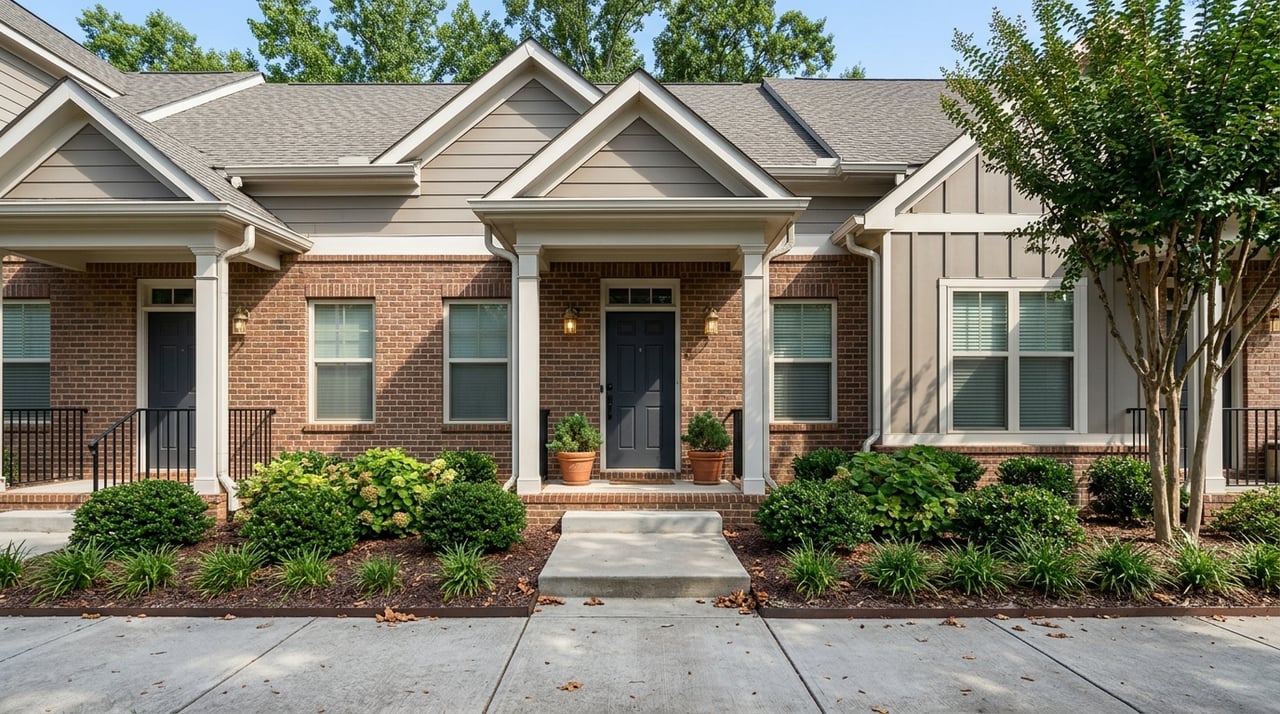
Charlotte Condos and Townhomes: A Buyer’s Guide
If you are thinking about buying a condo or townhome in Charlotte, you are probably weighing more than just price. You may want less maintenance, a better commute, or a home that puts you closer to restaurants, greenways, or transit. The key is knowing what you are actually buying, what your monthly costs really look like, and how each community’s rules can shape daily life. Let’s dive in.
One of the biggest surprises for buyers is that “condo” and “townhome” do not mean the same thing. A condominium is a legal form of ownership. In North Carolina, that usually means you own your individual unit plus a shared interest in the building, land, and common areas.
A townhome, on the other hand, is a building style. In Charlotte, a townhome may be fee simple, condominium, or part of a planned community. That means the recorded declaration and your closing documents matter more than the exterior look of the home.
The ownership structure affects what you maintain, what the association maintains, and what rules apply. It can also affect insurance needs, financing, and resale. Two homes that look nearly identical from the street can come with very different responsibilities.
That is why one of the first steps is asking, “What do I actually own?” You want a clear answer before you get too far into the process.
For many Charlotte buyers, attached homes offer a practical middle ground. They are often more affordable than detached single-family homes, usually require less exterior upkeep, and are often located closer to shopping, entertainment, and transportation.
That makes them especially appealing if you are a first-time buyer, downsizing, relocating, or simply trying to spend less time on yard work. In the right community, you may get convenience and amenities without taking on every maintenance task yourself.
Many Charlotte condo and townhome communities include shared features that would be expensive to maintain on your own. Depending on the property, those may include:
These features can add real value to your day-to-day life, but they are also part of what your dues help support.
Association dues are an important part of your true monthly housing cost. They are usually paid separately from your mortgage payment, so you need to budget for them in full when comparing homes.
What dues cover varies by community, but they often fund:
A lower monthly due is not always better if the community is underfunded. A higher due is not always a problem if it covers meaningful services and supports strong reserves.
The biggest lifestyle tradeoff with condo and townhome living is usually less autonomy. Associations often have rules on pets, parking, noise, renovations, rentals, exterior appearance, common-area use, and home-based businesses.
That does not mean the rules are bad. It simply means you need to know them before you buy. A community that works well for one buyer may feel too restrictive for another.
Before you make an offer on a Charlotte condo or townhome, ask for the documents that explain both the finances and the day-to-day rules. This is where careful due diligence can save you from expensive surprises later.
Start with these questions:
These are not small details. They can affect your budget, your flexibility, and how easy the home may be to finance or resell.
In North Carolina, sellers of most residential properties must provide the Residential Property and Owners’ Association Disclosure Statement before an offer to purchase. Since July 1, 2024, the revised form includes more detailed flood-related questions. If something changes after the disclosure is provided, the seller must update it and inform prospective buyers.
For condos and townhomes, you should also review the association documents closely. Important items include:
If the paperwork feels overwhelming, that is normal. This is one of those moments where working with an agent who explains the process step by step can make a big difference.
A community’s budget tells you where the money goes. Reserve information helps you understand whether the association is setting aside funds for future repairs and major projects.
Meeting minutes can reveal issues that are not obvious from a listing photo or a quick tour. You may learn about planned repairs, owner concerns, rule changes, or future spending needs. That context matters when you are deciding whether the monthly dues feel reasonable.
Under North Carolina law, condo and planned-community associations must keep financial records and make annual income and expense statements and balance sheets available to owners within 75 days after the fiscal year ends. On written request, a statement of unpaid assessments must be furnished within 10 business days.
This is one reason buyers should ask for current association information as early as possible. If questions come up about dues, unpaid assessments, or the health of the budget, you want answers before you are too deep into the transaction.
With a condo, lenders may look at more than just your income, credit, and debt. They may also review parts of the project itself, including the association’s finances and the ratio of rented to owner-occupied units.
That can make condo financing a little more layered than financing a detached home. Buyers should also expect to need condo insurance, with coverage based on what the association insures versus what you are responsible for inside your unit.
When you move from a detached home to a condo or townhome, the floor plan is not the only adjustment. Storage may be tighter, outdoor space may be smaller, and some buildings do not offer basements or attics.
Those details matter in everyday life. Think about where holiday decor, bikes, sports gear, tools, or extra furniture will go. Also ask whether parking is assigned, deeded, covered, or first come, first served.
Charlotte’s planning framework supports mixed-use centers and transit-oriented growth, which helps explain why attached housing is more concentrated in closer-in, amenity-rich parts of the city. In practical terms, you will often find more condo and townhome options in areas that trade larger private yards for better access to daily conveniences.
That pattern can be a plus if your priority is location and lifestyle. It just means you should compare not only the home itself, but also the block, the building, and how you want to live day to day.
Uptown is one of Charlotte’s clearest condo-oriented areas. The appeal here often centers on being close to jobs, transit, and daily services.
The city is also building out mobility improvements in center city, including a roughly 7-mile Uptown CycleLink network that will connect more than 40 miles of bikeways. If proximity and connected city living matter to you, Uptown is an area worth exploring.
South End is another strong corridor for attached housing. The area between Remount Road and Tremont Drive has seen major growth since the Blue Line opened in 2007.
Planned improvements tied to South End Station include a new rail station, Rail Trail segment, sidewalks, and other pedestrian upgrades. For buyers who want a more connected, active lifestyle, this part of Charlotte often stands out.
SouthPark offers a different feel. It is generally more auto-oriented than Uptown or South End, but city planning efforts are focused on improving access by walking, biking, and transit while supporting a mixed-use activity center.
That can appeal to buyers who want attached housing in a high-amenity area with a more suburban feel. It is a good example of how Charlotte’s condo and townhome options are not all trying to deliver the same lifestyle.
In South Charlotte, townhome inventory also shows up in active rezoning and site plans, including areas tied to Ballantyne and the South Boulevard and Euclid Avenue corridor. That is a reminder that attached housing continues to be part of Charlotte’s growth story.
If you are searching in South Charlotte, it helps to watch both existing communities and new opportunities that may come to market over time.
Once you narrow down your favorite areas, compare properties through both a lifestyle lens and a financial lens. A beautiful unit in the wrong community can still be the wrong fit.
Use a checklist like this when touring or reviewing disclosures:
Mecklenburg County’s GeoPortal can also help buyers compare neighborhood-level information such as parks, libraries, environmental restrictions, and school zones before choosing a building or block.
Condo and townhome living in Charlotte can be a smart fit if you want lower maintenance, access to amenities, and a location that supports your daily routine. The most important step is understanding the ownership structure, reviewing the association documents, and making sure the rules and costs match your goals.
When you buy with clear expectations, attached-home living can offer convenience and flexibility without unpleasant surprises. If you want patient, step-by-step guidance as you compare Charlotte condo and townhome options, Better Real Estate Carolinas is here to help.


I am excited to collaborate with you, offering my wealth of experience and commitment to making your real estate journey smooth, rewarding, and ultimately successful. Let's work together toward your goals.

MaryJo Burd
Office
10715 Sikes Place, Suite 112 Charlotte, NC, 28277