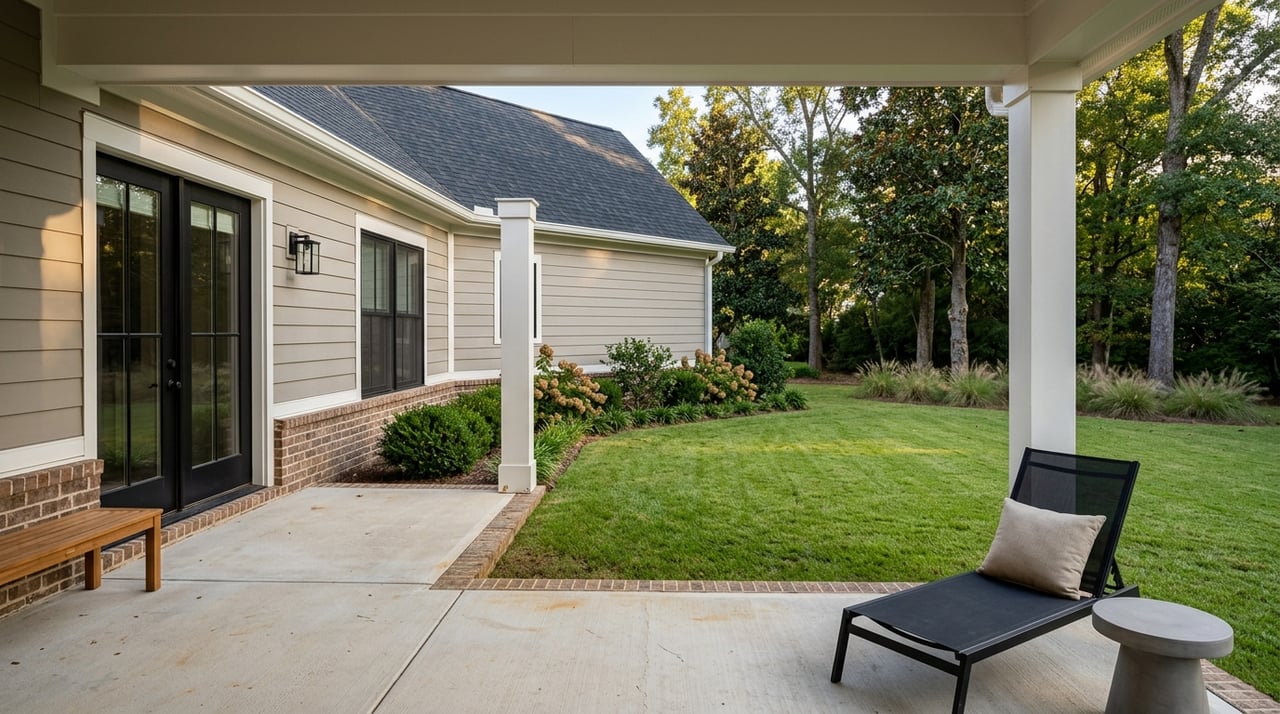
Out-of-State Buyers’ Playbook for York County, SC Homes
Buying a home in another state can feel like trying to solve a puzzle from hundreds of miles away. You want enough information to make a confident decision, but you also do not want to waste time, money, or travel on the wrong house. If you are planning a move to York County, SC, this playbook will help you understand how remote buying works, what needs extra attention locally, and how to stay organized from search to closing. Let’s dive in.
York County is not just one type of market. According to York County government, the county includes nine municipalities: Clover, Fort Mill, Hickory Grove, McConnells, Sharon, Smyrna, Rock Hill, Tega Cay, and York, with settings that range from rural to urban.
That variety is one reason out-of-state buyers are often drawn here. You may be comparing commute patterns, home styles, lot sizes, or access to everyday services across several parts of the county. A clear plan helps you narrow options without feeling overwhelmed.
Remote buying works best when you have the right people in place from the start. Fannie Mae’s homebuying guidance describes the process as a team effort that includes your agent, lender, inspector, title insurance agent, and homeowners insurance provider.
Each person plays a different role. Your agent helps organize showings and offers, your lender helps you understand financing, your inspector reviews the property’s condition, and the title side helps identify any title issues before closing. When you live out of state, this team structure matters even more because you are relying on clear communication and strong local coordination.
The good news is that much of your home search can happen from wherever you live now. The National Association of Realtors resource page on virtual showings and tours reflects how standard these tools have become in modern home shopping.
This is where an organized process can save you time. Instead of flying in too early, you can use virtual showings, listing photos, maps, and live video walkthroughs to narrow your choices to a short list.
Fannie Mae’s home shopping checklist recommends taking notes and pictures and comparing practical location factors, including distance to work, parks, stores, public transit, reliable cellphone coverage, and internet or cable hookups.
For York County buyers, that means looking beyond the kitchen and the backyard. During your remote review, ask questions like:
A teacher-style, step-by-step review process can help you compare homes more clearly and avoid blending one listing into another.
Remote shopping can handle much of the early work, but most buyers should still plan for an in-person review of the final contenders or a very detailed live walkthrough before moving forward. That practical approach aligns with Fannie Mae’s home shopping guidance, especially when you are making a large decision from out of state.
A smart travel model is to plan one trip around the inspection and final review phase, then another around the final walk-through and closing. The inspection happens before final commitment, and the final walk-through typically happens on or near the closing date, as reflected in guidance from the CFPB settlement booklet and Fannie Mae’s closing overview.
This is one of the biggest York County details for out-of-state buyers. Online estimates and casual assumptions can miss important tax differences.
According to the York County Assessor, the office maintains property records, GIS tools, legal descriptions, tax-district data, and reassesses all property every five years. On top of that, the county’s 2025 millage table shows that property taxes can include county, school, city, fire, and special-district levies.
That means a town name alone does not tell you the full tax picture. Two homes with similar prices may have different tax bills depending on the exact parcel, district, and classification.
South Carolina also uses different assessment ratios depending on how the property will be used. The state explains in its property tax FAQ that owner-occupied real property is assessed at 4%, while rental and commercial real property are assessed at 6%.
If you will use the home as your primary residence, you must apply for the 4% legal-residence classification through the county assessor. The South Carolina Department of Revenue also notes that the county assessor must approve the legal residence form before the special 4% assessment ratio is granted.
For a relocating buyer, this is an important budgeting step. It is one more reason to review taxes with someone who can verify the exact parcel details before you finalize your numbers.
South Carolina has some closing rules that out-of-state buyers may not expect. The South Carolina Bar states that each phase of a real estate transaction, including preparation of legal instruments, the closing itself, and recording, must be supervised by a licensed South Carolina attorney.
That attorney-supervised structure is a key part of your timeline planning. It also means your closing process may look different from what you have experienced in another state.
If you are hoping to sign everything from afar, be careful not to assume remote notarization is available. The South Carolina Secretary of State says electronic notarization is allowed, but the signer must still be in the notary’s physical presence, and South Carolina had not legalized remote notarization.
In plain terms, some end-of-transaction coordination may still require in-person planning. If you are buying from another state, your travel schedule should account for that possibility early.
Closing costs are another area where out-of-state buyers should plan ahead. Fannie Mae says closing costs usually range from 2% to 5% of the mortgage value, in addition to your down payment.
The CFPB says lenders must send your Closing Disclosure at least three business days before closing. You should compare that disclosure with your earlier Loan Estimate and ask questions about any fee you do not understand.
Your closing timeline also affects your financing. The CFPB’s rate lock guidance explains that mortgage rate locks are typically 30, 45, or 60 days.
If you are traveling for inspections, a final walk-through, or closing, make sure those plans line up with your contract dates and lock period. Good coordination can help reduce last-minute stress.
Even when a home looks great online, your due diligence steps matter. The CFPB settlement booklet and Fannie Mae’s closing guidance both emphasize the importance of title work, lien review, appraisal, inspection, and the final walk-through.
The final walk-through should happen on or near the close date so you can confirm the property’s condition and verify that any agreed repairs were completed. Fannie Mae also notes that buyers should bring a state-issued photo ID and a copy of the purchase contract to closing.
One more consumer protection point matters here. The CFPB says a seller cannot require you to buy title insurance from a particular title company. That gives you room to review your options within the transaction process.
Closing day is important, but it is not the end of your checklist. The CFPB recommends handling change-of-address tasks for banks, insurers, phone companies, the DMV, and other service providers after closing.
If you are relocating to South Carolina, vehicle registration deserves special attention. The South Carolina DMV says new residents must pay county property taxes before transferring vehicle title and registration, and a paid property-tax receipt is required at the DMV.
That is the kind of local detail that can surprise buyers who are focused only on the house itself. A good move plan should include these next-step items before the moving truck arrives.
Out-of-state buying is very doable, but it works best when you have a local advocate who understands how county rules, parcel taxes, travel timing, and closing logistics fit together.
In York County, the details can change from one address to the next. Municipal boundaries, special districts, reassessment cycles, legal residence classification, and attorney-supervised closing rules all affect the experience. With patient, organized guidance, you can handle much of the process remotely while still making careful, informed decisions.
If you are planning a move to York County and want clear, local guidance from start to finish, connect with Better Real Estate Carolinas. You will get a thoughtful, step-by-step approach that helps you compare homes, verify key details, and move forward with confidence.
I am excited to collaborate with you, offering my wealth of experience and commitment to making your real estate journey smooth, rewarding, and ultimately successful. Let's work together toward your goals.

MaryJo Burd
Office
10715 Sikes Place, Suite 112 Charlotte, NC, 28277