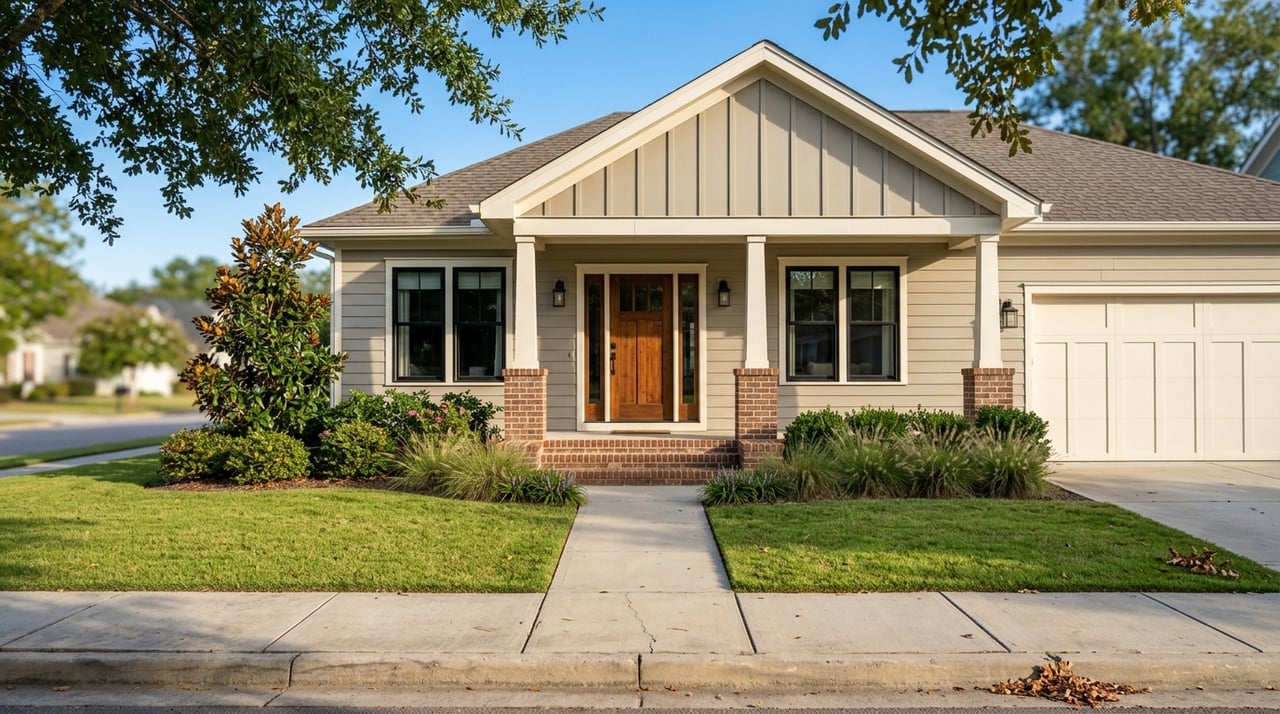
Columbia SC First-Time Homebuyer Guide & Essentials
Buying your first home in the Columbia, SC area can feel exciting, overwhelming, and a little confusing all at once. You may be wondering how far your budget will go, what neighborhoods or home styles to consider, and which upfront costs you need to plan for before you make an offer. This guide will walk you through the basics so you can move forward with more clarity and confidence. Let’s dive in.
If you are buying your first home, Columbia offers a market that is still relatively affordable compared with many parts of the country. According to Zillow’s Columbia market data, the average home value is $226,769, the median sale price is $228,833, and the median list price is $251,600.
That said, prices can vary a lot depending on the part of the area you are considering. The same Zillow data shows 1,075 homes for sale and a median of 29 days to pending, while Redfin reports a median sale price of $249K, about 56 days on market, and roughly 2 offers on average. That points to a market that is active, but not so fast that buyers have no time to think.
One of the biggest advantages for first-time buyers in the Columbia area is the range of price points. Neighborhood-level data from Zillow shows a broad spread, from higher-priced areas like Elmwood Park at $346,752, Irmo at $278,546, and Chapin at $433,387, to lower-priced benchmarks like North Columbia at $124,417 and Belvedere at $130,891.
For you, that means it is important to shop by both monthly payment and location. A first-time buyer budget may stretch further in some areas than others, and the right fit often comes down to balancing price, condition, commute, and lifestyle.
The purchase price is only part of the picture. You will also want to budget for closing costs, earnest money, inspections, and other early expenses so you are not caught off guard.
According to Freddie Mac, buyers should plan for closing costs of about 2% to 5% of the purchase price. The same source notes that earnest money is often around 1% to 2%.
A few additional costs often come up during the process:
The Consumer Financial Protection Bureau also notes that you must receive your Closing Disclosure three business days before closing. That gives you time to review your final numbers carefully, including fees, seller credits, and your total cash to close.
If you are moving from another state or buying your first home anywhere in South Carolina, this is important to know. South Carolina is an attorney-closing state.
According to the South Carolina Bar, an attorney must conduct real estate and mortgage loan closings in the state. In practical terms, that means your buying team in Columbia should include a closing attorney early in the process, not just at the very end.
One of the most helpful parts of buying in this area is that there are real assistance options for eligible buyers. If saving for a down payment or closing costs feels like the hardest part, these programs are worth exploring.
The SC Housing Homebuyer Program offers forgivable down payment assistance through its Homebuyer Bond program. The assistance has 0% interest, no monthly payments, and the second lien is forgiven after 15 years if you stay in the home.
For Richland County, current income limits are:
The current home price limit is $450,000.
The City of Columbia HOME program may also help eligible buyers within city limits. The program offers up to $18,500 in forgivable second-mortgage assistance that can be used toward closing costs or principal reduction.
The city also notes a few key terms, including a $500 required down payment, an estimated 3% interest rate, and no PMI. Buyers must complete HUD-approved homebuyer education, and the city provides access to Housing & Homebuyer Education Workshops.
The Columbia area is not a one-style-fits-all market. If you are browsing listings for the first time, you will likely notice a mix of older character homes, early suburban neighborhoods, renovated properties, and newer infill development.
According to the city’s historic districts information, Columbia has 15 historic zoning overlays and more than 180 individually landmarked structures. That matters because an older home may come with unique architecture and charm, but it can also come with extra rules for exterior changes.
In areas like Cottontown/Bellevue, Elmwood Park, Old Shandon/Lower Waverly, and Wales Garden, you may see styles ranging from Queen Anne and Colonial Revival to Craftsman bungalows and Four-Square homes. The city’s district overview also highlights housing from the 1910s through the post-war years in places like Seminary Ridge and Melrose Heights/Oak Lawn.
For downtown-oriented buyers, Columbia’s downtown planning guidelines suggest a mix of renovated older buildings, adaptive reuse projects, infill construction, and newer development. In other words, the urban core can offer variety rather than one standard home type.
If you are starting your search online, it helps to recognize the neighborhood names that show up often in city materials and listing descriptions. The city identifies areas such as Arsenal Hill, Cottontown/Bellevue, Downtown, Earlewood, Elmwood Park, Historic Waverly, Melrose, Old Shandon, Rosewood, University Hill, and Wales Garden.
These names can give you a better sense of what kind of setting you are seeing, especially if you are deciding between a more urban location, a historic district, or a neighborhood with a different housing era and feel.
Many first-time buyers narrow their search by lifestyle before they narrow it by address. In the Columbia area, two broad options often stand out: a more central, city-focused location or a lake-oriented area with a different price profile.
The city says the downtown study area runs roughly from Elmwood Avenue to Catawba Street and from Pickens Street to the Congaree River. Five Points is treated as its own design district, with guidelines that aim to preserve its village atmosphere.
If you are drawn to downtown, your choices may include historic homes, renovated properties, and infill housing close to the urban core. This can appeal to buyers who want a central location and a broader mix of architecture.
If water access and recreation are high on your list, Lake Murray is one of the region’s biggest lifestyle draws. The official South Carolina DNR brochure describes Lake Murray as about 50,000 acres with 650 miles of shoreline, stretching across Lexington, Newberry, Richland, and Saluda counties.
That lake lifestyle often comes with a higher budget. Zillow market pages show Irmo at $278,546 and Chapin at $433,387, both above Columbia’s citywide average, which helps explain why lake-adjacent homes may cost more than many central Columbia options.
A first home is a big purchase, so due diligence is one of the most important parts of the process. This is especially true in Columbia’s older neighborhoods, where age, condition, and historic overlay rules can affect both the home and your future plans for it.
The CFPB recommends scheduling an independent home inspection as soon as possible and attending if you can. According to the CFPB inspection guidance, the inspection can uncover issues early enough for you to renegotiate or decide not to move forward.
If you are considering a home in a Design or Historic Preservation Overlay District, check that status before making renovation plans. The city’s zoning and permit guidance says exterior changes in these districts require a Certificate of Design Approval, which can apply to projects like fences, additions, or exterior material changes.
Buying your first home gets much easier when you have the right people around you. In the Columbia area, a strong team usually includes:
That team structure fits the way Columbia’s market and closing process actually work. It also helps you make better decisions at each step, from financing through final signatures.
If you want to keep the process manageable, focus on these steps first:
The more prepared you are before you start touring homes, the more confident you will feel when the right one comes along.
If you are thinking about buying your first home and want clear, step-by-step guidance, Better Real Estate Carolinas can help you understand your options and move forward with confidence.
I am excited to collaborate with you, offering my wealth of experience and commitment to making your real estate journey smooth, rewarding, and ultimately successful. Let's work together toward your goals.
MaryJo Burd
Office
10715 Sikes Place, Suite 112 Charlotte, NC, 28277