Living in Lancaster SC: What Daily Life Really Feels Like
If you want a place that feels more relaxed than the Charlotte core but still keeps you connected to the region, Lancaster, South Carolina, is worth a closer look. Many buyers are searching for that middle ground: a community with local character, everyday convenience, and room to breathe without feeling cut off from work or activity. Lancaster offers exactly that kind of lifestyle, with a small-city feel, a historic downtown, and practical road access across the county. Let’s dive in.
Lancaster is a smaller community by regional standards, and that shapes daily life in a big way. The city’s July 2024 population estimate was 9,396, while Lancaster County’s July 2025 estimate was 114,296. For context, Charlotte’s July 2024 population was 943,476, which makes Lancaster feel notably less dense and more manageable.
That smaller scale shows up in how the area feels day to day. You are more likely to notice a local rhythm, familiar businesses, and a community identity tied to downtown and civic events. The city also leans into a small-town identity and Southern hospitality in its public messaging, which fits the data and the overall feel of the area.
Life in Lancaster tends to feel car-friendly, local, and steady. Census data show a mean commute of 25.7 minutes for Lancaster city workers and 28.8 minutes for Lancaster County workers, which supports the idea that driving is a normal part of the lifestyle. If you are used to a larger metro pace, Lancaster may feel calmer and easier to navigate.
At the same time, it is not isolated. Lancaster County identifies U.S. 521 as the primary divided highway, with access to Charlotte’s I-485 loop and connections to I-77 and I-85. That road network is a major reason buyers consider Lancaster when they want more space while staying tied to the broader Charlotte region.
One of Lancaster’s biggest lifestyle advantages is that you can live in a smaller community without giving up access to nearby employment and destinations. Official county information highlights connections north toward Charlotte and south toward Columbia through major routes. That gives you flexibility if your work, shopping, or family routines stretch beyond city limits.
Approximate drive times can vary with traffic, but third-party estimates generally place Indian Land about 25 minutes away, Rock Hill about 32 minutes away, and Charlotte around 50 to 58 minutes by car. It is best to think of those as rough ranges, not guarantees. Still, they help explain why Lancaster appeals to people who want a quieter home base with regional reach.
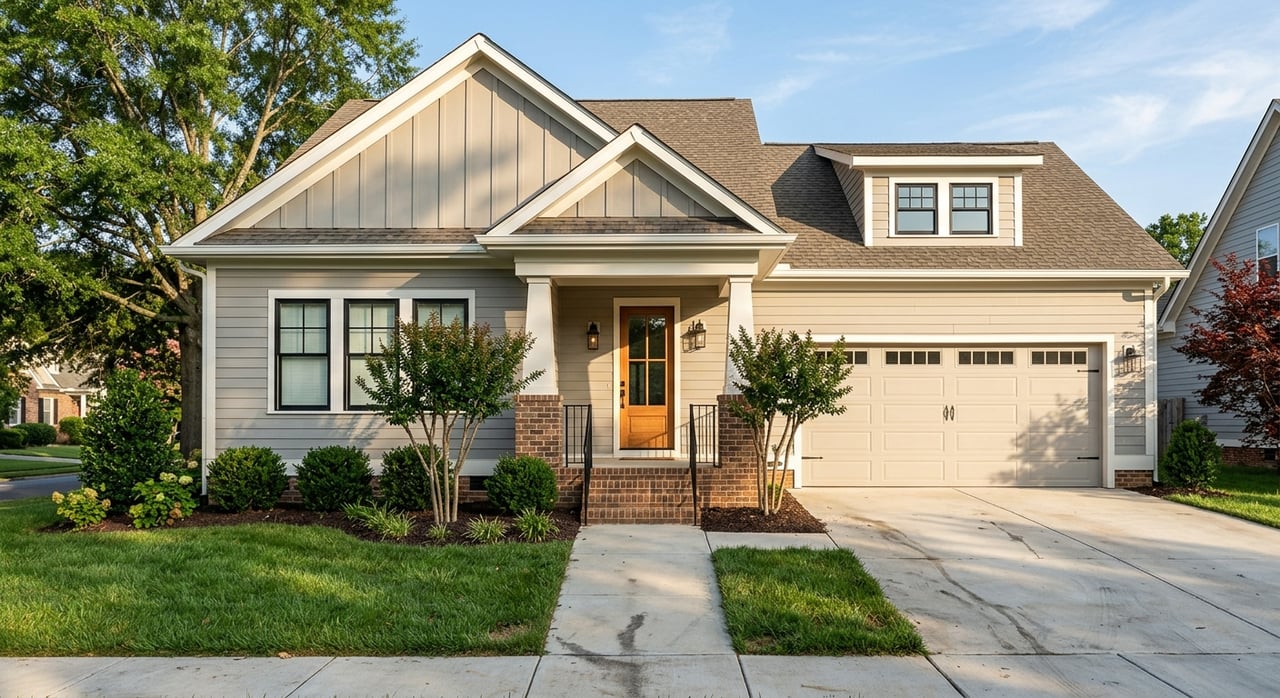
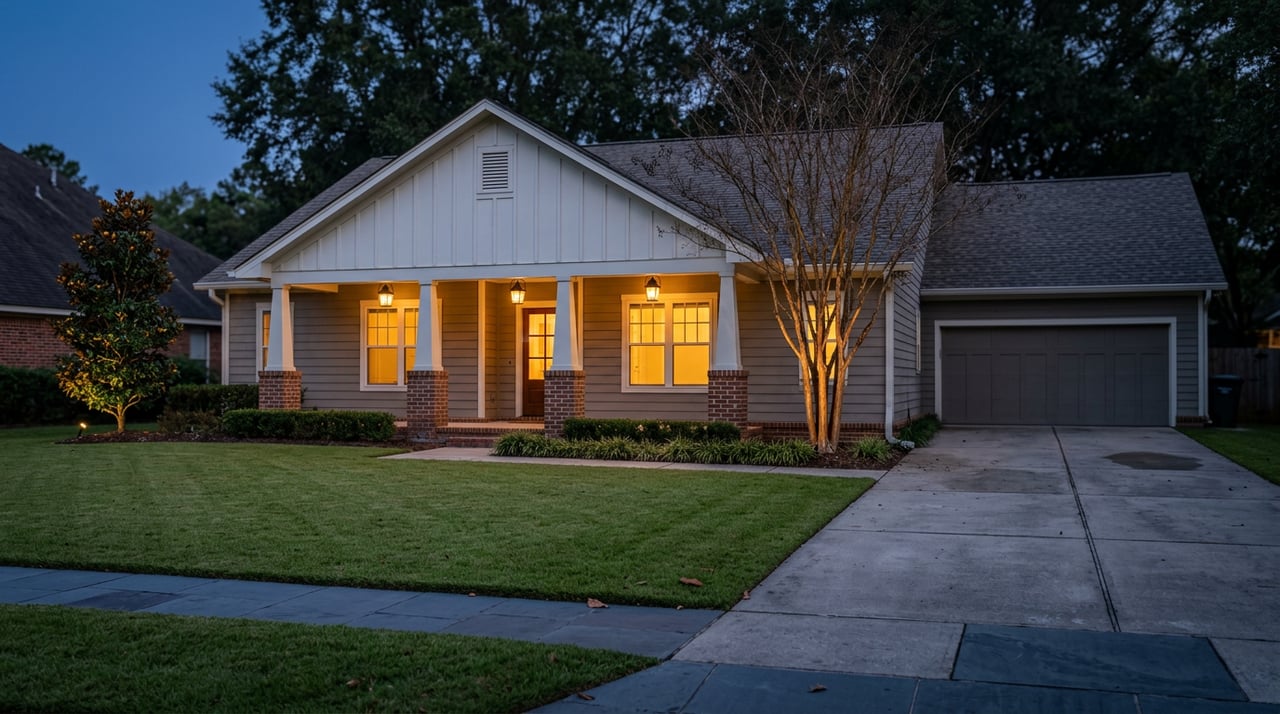
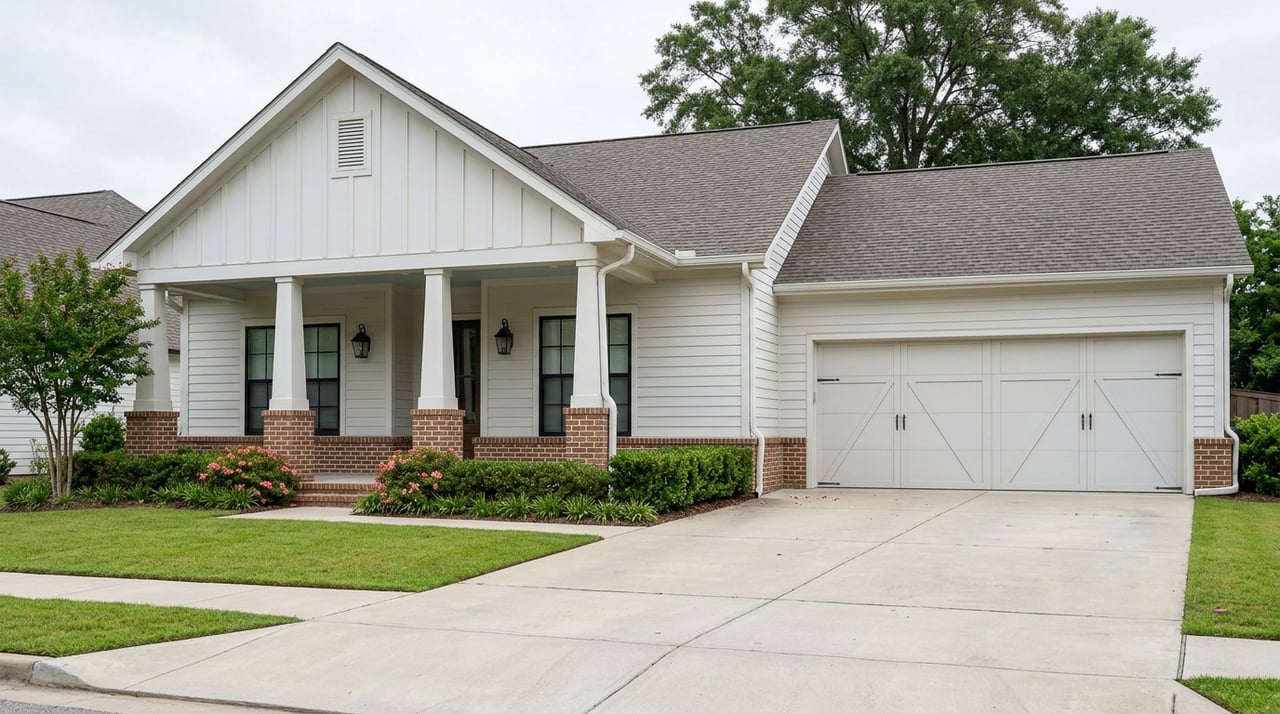
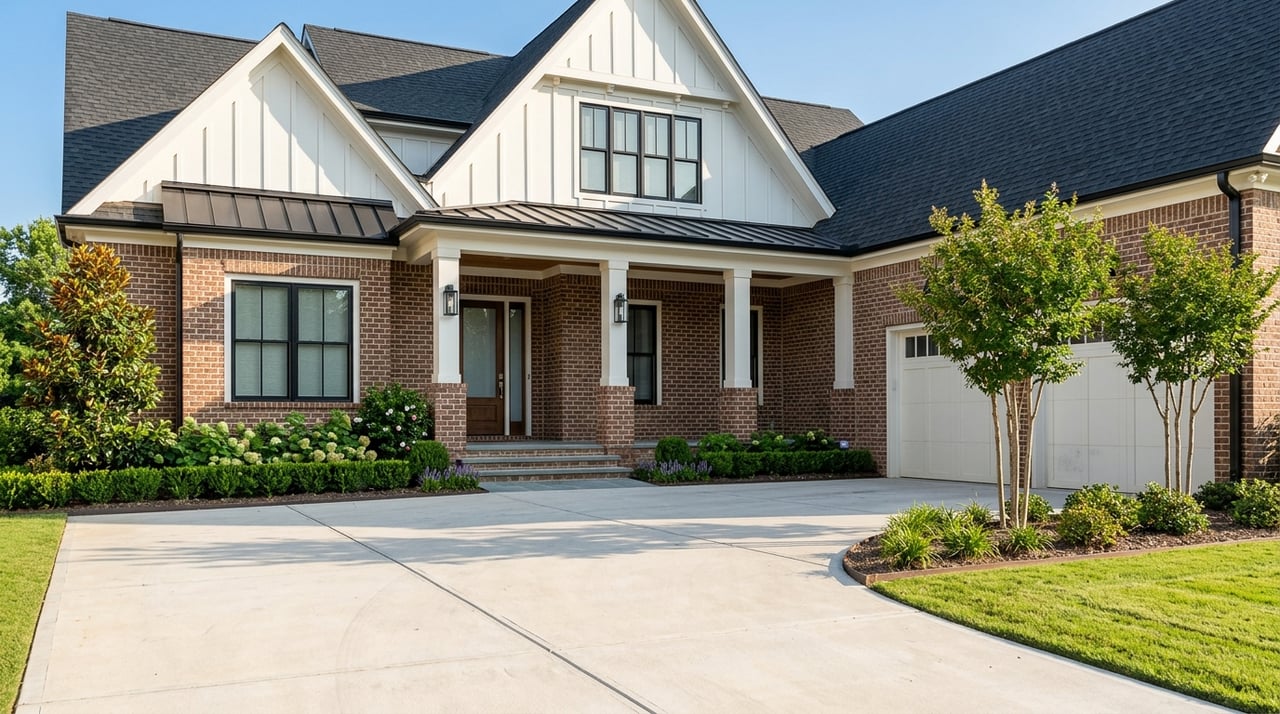
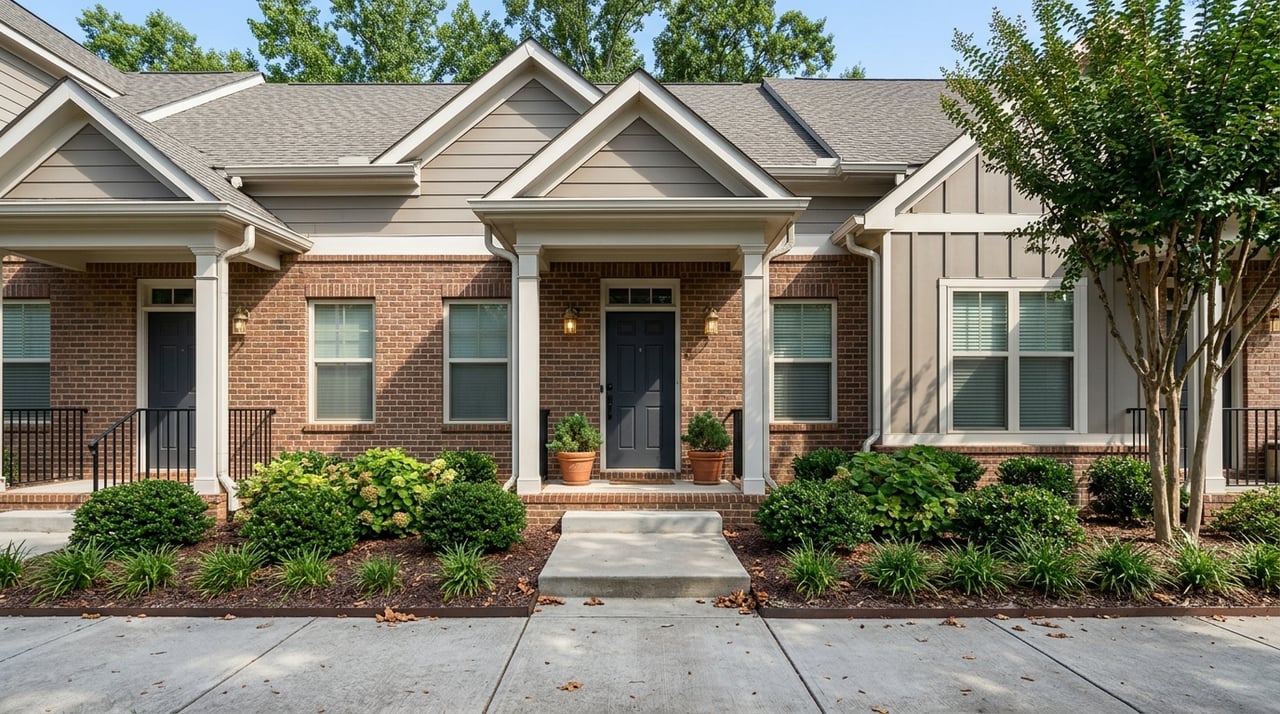
Lancaster offers a mix that can appeal to several kinds of buyers. In broad terms, you will find signs of an older historic core, newer subdivision-style housing, and detached-home options across the wider county. That variety gives buyers more than one path into the market depending on budget, style, and lot preferences.
Lancaster city’s median owner-occupied home value was $226,300, the owner-occupied rate was 44.3 percent, and median gross rent was $824. Those figures can help explain why some buyers see Lancaster as a place that may feel more accessible than denser metro-adjacent areas. The right fit will depend on your goals, but the numbers suggest a market many value-conscious buyers will want to explore.
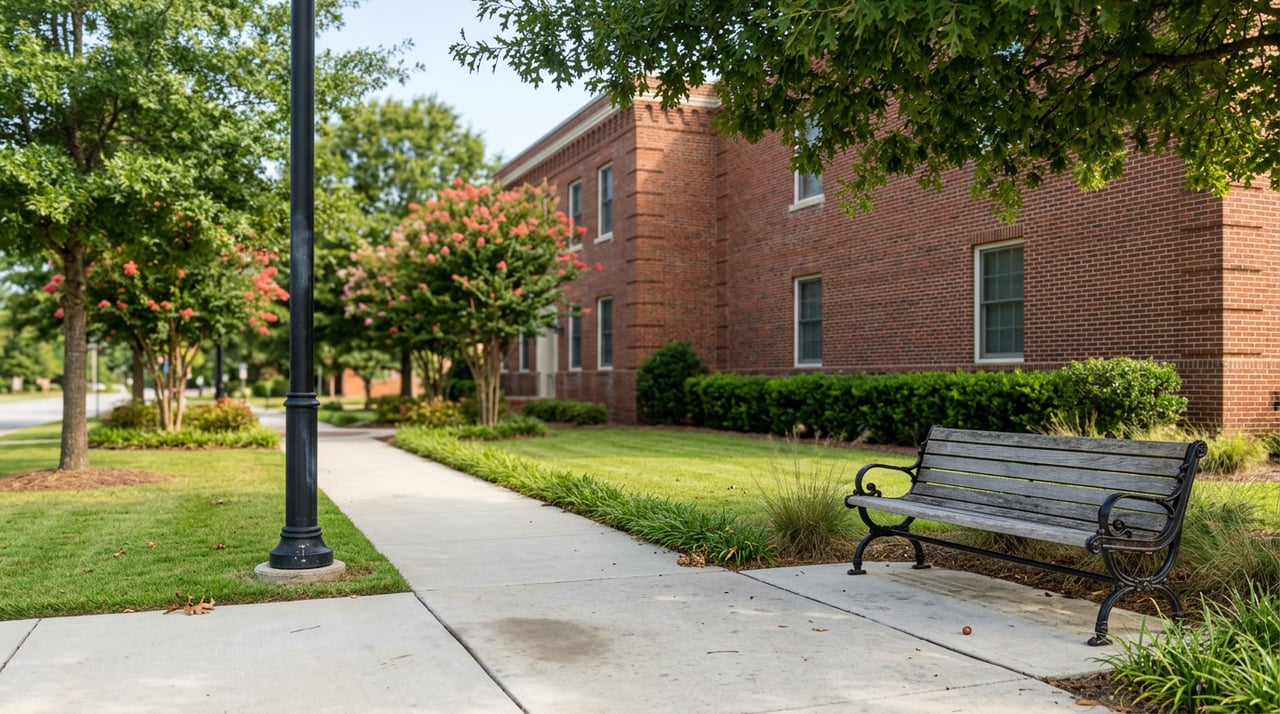
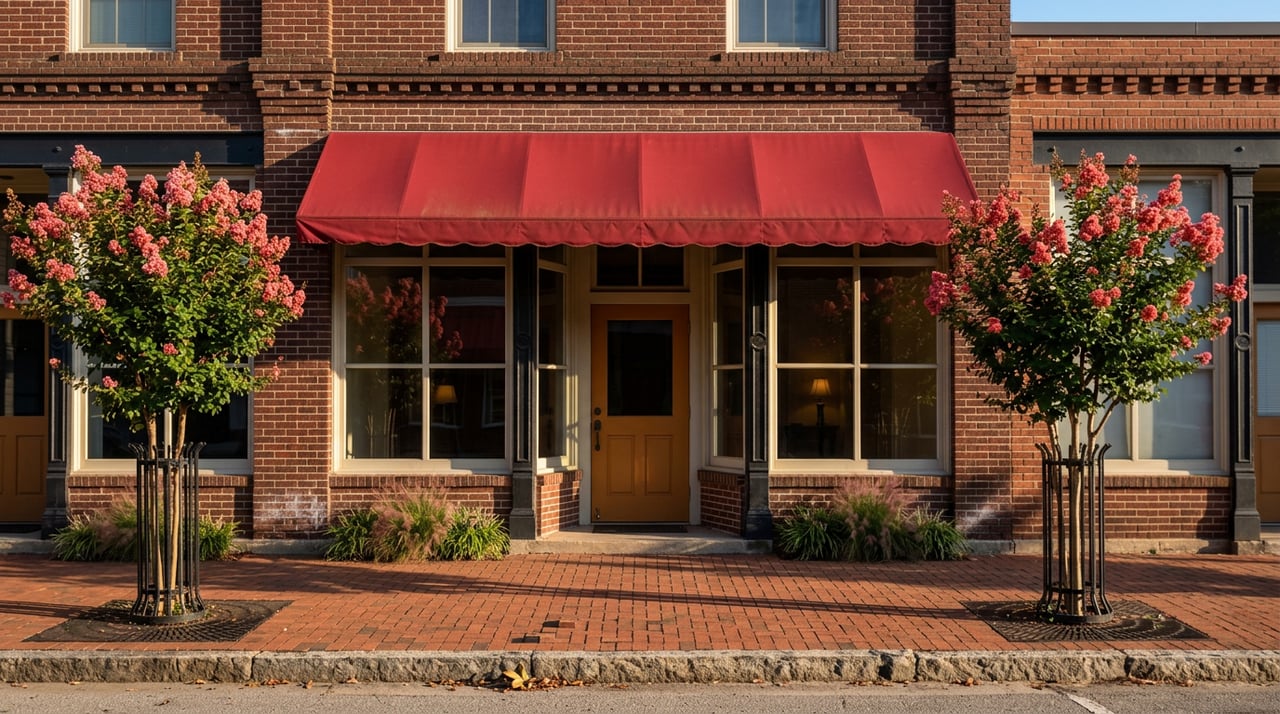
If you like places with visible history, Lancaster has that in its older core. The Lancaster Downtown Historic District includes portions of South Main, Catawba, and Gay streets, with buildings dating from about 1880 to 1935. It is described in preservation records as the most intact section of Lancaster’s early commercial area.
That history helps shape the streetscape and the overall atmosphere near downtown. Archival survey materials also point to older residences and a broader historic record within the city. For you as a buyer, that can translate into pockets of character, older home styles, and a sense of place that newer areas do not always offer.
Lancaster is not only about historic properties. County planning language describes suburban single-family neighborhoods as communities with relatively uniform housing type and density, ranging from mobile homes to large-lot, low-density homes and smaller, denser single-family options. In plain terms, that means the wider Lancaster area can offer a broad housing mix.
If you want a newer layout, a more traditional subdivision setting, or a detached home with a little more breathing room, Lancaster can check those boxes too. This range is one reason the area attracts first-time buyers, move-up buyers, and people relocating within the Charlotte-Fort Mill-Lancaster corridor.
Downtown Lancaster adds personality to daily life. It is not a major urban shopping district, but it does offer a walkable-feeling small-business core with coffee, dining, retail, and personal services. That local business mix can make everyday errands and casual outings feel more connected to the community.
The downtown business list includes spots such as Daily Grind Coffee Bar, 521 BBQ & Grill, Totto’s Mexican Restaurant, Enzo’s Italian Market, LA Tap Room, Stacks Kitchen Lancaster, Purple Rooster, and several boutiques, salons, and gift shops. For many buyers, that kind of locally oriented main-street environment is part of the appeal. You get practical places to go without losing the smaller-town feel.
Downtown is also an active focus for growth and reinvestment. The Red Rose City Development Corporation states that its mission is to promote quality development in the historic business district and bring new life and purpose to downtown Lancaster. That matters if you value a community that is investing in its core rather than letting it fade.
Lancaster gives you solid everyday recreation options close to home. The Lindsay Pettus Greenway features a 2.1-mile walking trail, ADA access, a pavilion, and restrooms, with several access points around the city. Local park listings also show amenities like playgrounds, ballfields, basketball courts, picnic shelters, and restrooms.
That means outdoor time does not have to be a big production. Whether you want a simple walk, a place to bring the kids to play, or a casual picnic spot, there are practical options nearby. For many households, those small daily conveniences matter as much as headline attractions.
If you want a broader outdoors-and-history experience, nearby state parks add even more variety. Andrew Jackson State Park, located about 9 miles north of Lancaster, includes a museum, two nature trails, a replica 18th-century schoolhouse, a lake, campground, amphitheater, playground, and picnic shelters. Landsford Canal State Park offers a 1.5-mile Canal Trail, paddling, fishing, picnicking, and seasonal rocky shoals spider lilies that typically bloom from mid-May to mid-June.
One of the clearest signs of Lancaster’s community feel is its event calendar. Official city event pages highlight recurring gatherings such as the Red Rose Festival, Shamrock Block Party, and Boo Fun Fest. These kinds of events help create a familiar annual rhythm and give residents reasons to spend time downtown.
Lancaster also has an arts presence that adds depth to local life. The city’s arts information includes the Community Playhouse of Lancaster County, the Lancaster Arts League, workshops, and gallery crawls. So while Lancaster may be quieter than a major metro, it still offers ways to plug into local culture and community activities.
Business life is visible too. The Lancaster County Chamber of Commerce maintains a member directory and hosts programming in both Indian Land and Lancaster, including Morning Business Connection meetings and Leadership Lancaster. For residents, that kind of active chamber presence is another sign of a community where local businesses and civic life are closely connected.
Lancaster can make sense for several types of buyers, especially if you want a practical balance of cost, space, and location. If you are a first-time buyer, the area may stand out because of its smaller scale and housing mix. If you are moving up, you may appreciate the chance to find more home or lot space while staying connected to the region.
It can also appeal to people who want local character without giving up access to larger nearby hubs. The blend of historic downtown elements, car-friendly commuting, and newer housing options creates flexibility. Instead of one narrow lifestyle, Lancaster offers a few different ways to live depending on what matters most to you.
Like many communities in this part of South Carolina, Lancaster is a place where driving is central to daily routines. If you want to be close to work, shopping, or specific amenities, the exact location of the home will matter. A quick map check and a test drive during your normal travel times can be especially helpful here.
It is also smart to think about what kind of setting fits you best. Some buyers love the character near downtown, while others prefer a newer subdivision or a more spacious detached-home setup in the broader county. Knowing your priorities early can make your search much smoother.
Lancaster, SC offers a lifestyle that feels smaller, less dense, and more local than the Charlotte core, while still staying connected through the broader road network. You get a historic downtown, a mix of housing options, everyday parks and recreation, and a community calendar that keeps local life active. For many buyers, that combination creates a comfortable middle ground between small-town identity and regional convenience.
If you are weighing a move to Lancaster, the key is to match the right neighborhood and home style to the way you actually live. With the right guidance, it becomes much easier to sort through commute patterns, housing choices, and what each part of the area feels like day to day. When you are ready to explore Lancaster more closely, Better Real Estate Carolinas can help you make sense of your options.
I am excited to collaborate with you, offering my wealth of experience and commitment to making your real estate journey smooth, rewarding, and ultimately successful. Let's work together toward your goals.
MaryJo Burd
Office
10715 Sikes Place, Suite 112 Charlotte, NC, 28277